If you’ve ever compared roofing options for a home extension, a car porch, or a factory shed, you’ve likely come across two very different materials: polycarbonate roofing sheets and metal roofing sheets. Both have their strengths, but they’re built for very different jobs — and choosing the wrong one can cost you in durability, comfort, or maintenance down the line.
So, is polycarbonate roofing sheets a better choice than conventional metal roofing? The honest answer is: it depends entirely on where you’re using it. In this guide, we’ll break down exactly where polycarbonate sheets shine, where metal roofing remains unbeatable, and how to make the right call for your specific project.
What Are Polycarbonate Roofing Sheets?
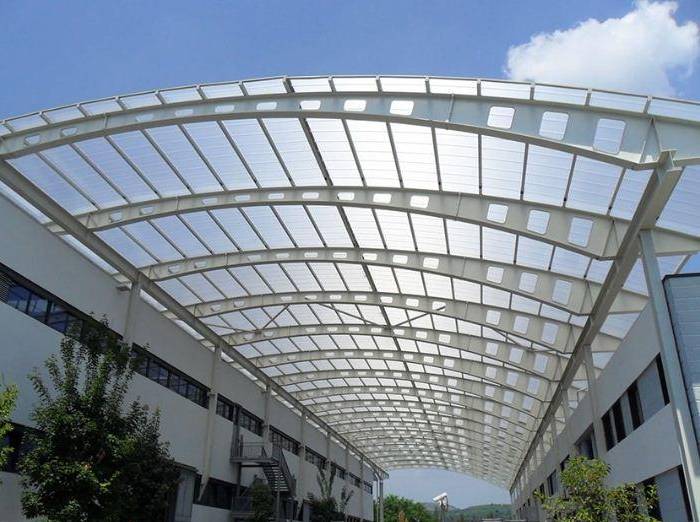
Polycarbonate roofing sheets are lightweight, impact-resistant plastic panels known for their transparency and flexibility. Unlike traditional roofing sheets, a polycarbonate sheet allows natural light to pass through while still offering protection from rain and UV exposure. This is why they’re often referred to as transparent roofing sheets — they’re specifically engineered to let sunlight in without letting the weather through.
Because of their see-through nature and moldable design, polycarbonate roofing has carved out a specific niche in construction — one that’s very different from the structural, heavy-duty role metal roofing plays.
Where Should Polycarbonate Sheet Be Installed?
This is the core question every buyer should ask before purchasing. Polycarbonate roofing sheets work best in spaces where natural light is a priority and heavy structural load-bearing isn’t the primary concern. Here’s where they genuinely outperform metal roofing:
| Application | Why Polycarbonate Sheet Works Well |
| Car porches & carports | Allows daylight through while shielding vehicles from rain and hail |
| Greenhouses & nurseries | Transparency supports plant growth while offering weather protection |
| Skylights & roof openings | Brightens interior spaces without the need for electrical lighting |
| Pergolas & garden canopies | Lightweight and easy to shape over curved structures |
| Walkway & pathway covers | Provides shade and rain cover while keeping the area visually open |
| Swimming pool enclosures | Resists moisture while maintaining a bright, open feel |
Notice a pattern? Every one of these applications benefits from light transmission and low structural load — exactly what plastic roof sheets are designed for. They are not designed to replace primary roofing on homes, warehouses, or industrial structures where strength, insulation, and long-term structural integrity matter most.
Are Transparent Roofing Sheets Suitable for Homes and Industries?
Transparent roofing sheets are excellent for specific zones within homes and industries — think skylights, balconies, or light-transmitting sections of a factory roof. However, they are rarely suitable as the primary roofing material for an entire home or industrial facility.
Here’s why: homes and industrial buildings need roofing that can handle heavy monsoon loads, provide strong thermal insulation, and last for decades with minimal maintenance. This is where metal roofing sheets — especially galvalume and profile sheets — outperform polycarbonate by a wide margin. Most architects recommend a hybrid approach: metal roofing for the main structure, with polycarbonate sections strategically placed for skylights or covered walkways.
Are Plastic Roof Sheets Durable Enough for Outdoor Use?
Quality plastic roof sheets, particularly multi-wall polycarbonate variants, are genuinely durable for outdoor use. They resist impact, block harmful UV rays, and don’t shatter like glass. Good-quality sheets can last 10 to 15 years with proper installation.
However, durability comes with caveats. Polycarbonate sheets can yellow or become brittle over time when exposed to extreme heat and prolonged sunlight, especially in regions with intense summers. They’re also more prone to scratching and generally don’t match the longevity of properly coated metal roofing, which is engineered specifically to withstand harsh weather over 15+ years without degrading.
What Are the Advantages of Polycarbonate Roofing?
To be fair to the material, polycarbonate roofing does offer real advantages in the right context:
- Natural lighting — Reduces dependency on artificial lighting during the day
- Lightweight structure — Easier to install on curved or lightweight frames
- Impact resistance — More shatter-resistant than glass alternatives
- UV protection — Blocks harmful rays while allowing visible light through
- Design flexibility — Can be shaped into curves for pergolas and canopies
That said, these advantages are highly application-specific. The moment your priority shifts to structural strength, weatherproofing an entire building, or long-term durability against Northeast India’s heavy monsoons, metal roofing sheets become the far more practical choice.
What Factors Affect Polycarbonate Sheet Price?
If you’re budgeting for a project, several factors influence polycarbonate sheet price:
- Thickness — Thicker sheets cost more but offer better durability and insulation
- Sheet type — Multi-wall sheets are pricier than corrugated single-layer variants
- UV coating quality — Better UV protection increases longevity and cost
- Brand and warranty — Established manufacturers charge more but offer reliability
- Area of coverage — Larger installations may bring per-square-foot costs down
While polycarbonate sheet price can be attractive for small, light-transmitting applications, it’s important to remember you’re paying for a specialized material — not a full roofing replacement. For whole-building roofing, metal sheets typically deliver better long-term value per rupee spent.
Why Metal Roofing Remains the Smarter Choice for Structural Roofing
This is exactly where Taj Roofing comes in. As one of Assam’s leading roofing sheet manufacturers, we specialize in high-performance metal roofing solutions — including high-rib and low-rib profile sheets, galvalume corrugated sheets, and aluminium roofing systems — built specifically to handle the Northeast’s demanding climate.
Unlike polycarbonate roofing sheets, our products are engineered for accurate thickness, superior weather resistance, and corrosion resistance, backed by a 15-year warranty. Whether you’re roofing a home, an industrial facility, or a commercial complex, our aluminium and zinc-coated sheets are built to outlast lighter alternatives like plastic roof sheets, while our team can also guide you on where a hybrid design — metal roofing for structure, polycarbonate for skylights — makes the most sense for your project.
Making the Right Choice for Your Project
So, is polycarbonate roofing sheets the better option? Only for specific, light-focused applications like porches, greenhouses, and skylights. For anything structural — homes, warehouses, factories, or commercial buildings — durable, weather-resistant metal roofing remains the smarter, longer-lasting investment.
Frequently Asked Questions
Where should polycarbonate sheet be installed? A polycarbonate sheet works best in car porches, greenhouses, skylights, and pergolas where natural light matters more than structural strength.
Are transparent roofing sheets suitable for homes and industries? Transparent roofing sheets work well for skylights and specific zones, but Taj Roofing recommends durable metal roofing sheets as the primary structure for homes and industrial buildings across Assam.
Are plastic roof sheets durable enough for outdoor use? Quality plastic roof sheets can last 10-15 years, but they don’t match the long-term strength and weather resistance that Taj Roofing’s galvalume and profile sheets offer for full roofing needs.
What are the advantages of polycarbonate roofing? Polycarbonate roofing offers natural lighting, impact resistance, and design flexibility — ideal for light applications, while Taj Roofing’s metal sheets remain the stronger choice for structural roofing.
What factors affect polycarbonate sheet price? Thickness, UV coating, and brand quality affect polycarbonate sheet price. For a detailed cost comparison with metal roofing, contact Taj Roofing’s team in Guwahati for expert guidance.
Planning a roofing project in Assam? Get in touch with Taj Roofing for durable, weather-tested metal roofing solutions built for the Northeast’s climate.