Every business owner in Assam knows the feeling — you open the monthly electricity bill, brace yourself, and quietly wonder how it keeps climbing even though nothing about your operations has changed. Machines running the same hours, lights on the same schedule, ACs working just as hard as last year, yet the number at the bottom keeps creeping upward.
For factories, offices, showrooms, and warehouses alike, electricity has quietly become one of the largest recurring costs on the balance sheet. So the question worth asking isn’t whether electricity bills will keep rising — they will — but whether a commercial solar panel system can genuinely put a stop to that upward climb. Let’s break down the real numbers and real answers.
Can Installing Solar Panels Actually Reduce Electricity Costs for a Commercial Building?
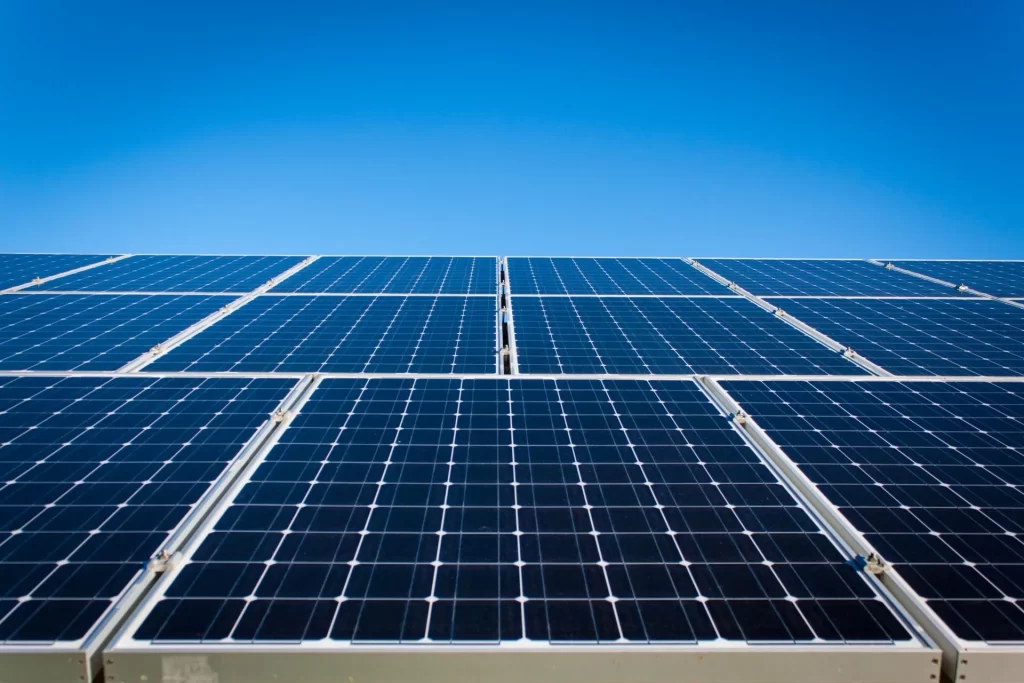
Yes, and this isn’t marketing optimism — it’s straightforward physics and economics. A solar panel system generates electricity directly from sunlight, reducing how much power your business needs to draw from the grid. For commercial buildings with high daytime energy consumption — factories running machinery, offices running ACs and computers, showrooms lit throughout business hours — solar panels align perfectly with peak sunlight hours, offsetting a significant portion of your grid electricity usage.
The result is a direct reduction in your monthly electricity bill, month after month, for the entire lifespan of the system — typically 25 years or more. It’s one of the rare business investments where the “return” isn’t speculative; it’s simply the electricity bill you stop paying.
How Much Can a Business Save With Commercial Solar Panels?
Savings depend on your building’s energy consumption, roof space, and system size, but the pattern is consistent: businesses that install commercial solar power typically see substantial reductions in their electricity bills, often covering a large portion of their daytime energy needs entirely through solar generation.
For context, residential rooftop solar solutions in Assam have already demonstrated meaningful annual savings for homeowners. Commercial establishments, with their higher daytime energy consumption and larger available roof space, generally see proportionally greater savings potential — since more panels can be installed to match a business’s higher energy demand.
Is Solar Power Worth It for a Factory or Office Building?
For most factories and office buildings, yes — particularly because their energy usage pattern lines up so well with solar generation. Factories running heavy machinery during the day and offices running HVAC, lighting, and computing equipment throughout business hours are exactly the kind of energy consumers who benefit most from solar, since their peak usage hours overlap almost perfectly with peak sunlight hours.
Beyond direct cost savings, solar power also offers a valuable hedge against future electricity tariff hikes. As grid electricity prices continue climbing, a solar-powered business locks in a significant portion of its energy costs at a fixed, one-time investment — insulating operations from unpredictable future price increases.
How Many Solar Panels Does a Commercial Building Need?
This depends entirely on your business’s average energy consumption and available rooftop or ground space. As a general guide:
| Business Type | Typical Energy Need | Approximate System Size |
| Small office/showroom | Moderate daytime usage | 5-15 kW system |
| Medium-sized factory | High machinery load | 25-75 kW system |
| Large industrial facility | Very high continuous load | 100 kW and above |
The exact number of panels required will depend on panel wattage, roof orientation, shading, and your business’s monthly consumption pattern. This is exactly why a proper site assessment and energy audit, rather than a generic estimate, is essential before finalizing system size.
How Long Does a Commercial Solar System Take to Pay for Itself?
Commercial solar systems typically pay for themselves within 3 to 6 years, depending on system size, local electricity tariffs, and available subsidies or incentives. After this payback period, the electricity generated is essentially free for the remaining lifespan of the system — which, for quality solar panels, can extend to 25 years or more.
This payback timeline makes commercial solar power one of the more predictable long-term investments a business can make, especially compared to other capital expenditures where returns are far less certain.
What Factors Affect Commercial Solar Installation Cost?
Before budgeting for solar panel installation, it helps to understand what actually drives the total cost:
- System size and capacity — Larger systems cost more upfront but offer greater long-term savings
- Panel quality and brand — Established, reliable brands typically cost more but offer better efficiency and longevity
- Roof condition and structure — Additional structural work may be needed for older or unsuitable roofs
- Inverter type — String inverters versus more advanced options affect both cost and efficiency
- Installation complexity — Site accessibility and wiring requirements can influence labour costs
- Net metering setup — Connecting to the grid for excess power export involves additional considerations
Understanding these factors helps businesses make an informed decision rather than simply comparing quotes based on price alone, since cheaper systems often compromise on panel quality or long-term durability.
Why Assam’s Climate Makes Solar an Especially Smart Choice
Assam’s climate presents an interesting paradox — heavy, unpredictable monsoons on one hand, and ample sunlight for the rest of the year on the other. For businesses dealing with frequent power cuts during storms alongside steadily rising electricity costs, solar power offers a practical answer to both problems: reduced dependency on grid electricity, and a reliable source of power generation during the region’s abundant sunny months.
This is exactly the opportunity Taj Solar has built its business around. As an Authorised Channel Partner for Tata Power Solaroof, Taj Solar brings the reliability of the Tata name combined with a local team that understands Assam’s specific climate and business energy needs. Whether it’s a factory, office, or commercial establishment, Taj Solar designs solar panel installation solutions tailored to the building’s actual energy consumption and available space, rather than offering one-size-fits-all systems.
Making the Switch: What the Process Actually Looks Like
Transitioning to commercial solar power typically involves a few clear stages: an initial energy audit and site assessment, system design based on your consumption pattern, installation and grid connection setup, and finally, ongoing monitoring to ensure optimal performance. Working with an established, experienced partner throughout this process significantly reduces the risk of under-sized systems, poor installation quality, or delayed returns on investment.
The Bottom Line
Rising electricity bills aren’t going away, but for businesses willing to make the switch, a commercial solar panel system offers a genuine, measurable way to break that cycle. With payback periods typically within 3 to 6 years and a system lifespan of 25 years or more, solar power isn’t just an environmentally responsible choice — it’s a financially sound one, particularly for businesses in a sun-abundant region like Assam.
Frequently Asked Questions
How much can a business save with commercial solar panels?
Savings depend on system size and energy consumption, but businesses typically offset a significant portion of their daytime electricity costs. Taj Solar conducts detailed energy audits to estimate accurate savings for each business.
Is solar power worth it for a factory or office building?
Yes, especially since factory and office energy usage patterns align closely with peak sunlight hours. Taj Solar designs commercial solar power systems tailored to each building’s specific consumption needs.
How many solar panels does a commercial building need?
The number depends on energy consumption and available roof space, ranging from small
5-15 kW systems for offices to 100 kW+ systems for large industrial facilities. Taj Solar provides customized system sizing based on a proper site assessment.
How long does a commercial solar system take to pay for itself?
Most commercial solar systems pay for themselves within 3 to 6 years, after which the generated electricity is essentially free. Taj Solar’s installations are designed for long-term reliability across a 25-year lifespan.
What factors affect commercial solar installation cost?
System size, panel quality, roof condition, and inverter type all affect installation cost. Taj Solar, as an Authorised Channel Partner for Tata Power Solaroof, offers transparent, quality-driven solar panel installation solutions for Assam businesses.
Ready to reduce your business’s electricity costs? Contact Taj Solar for a free consultation on commercial solar panel installation tailored to your business.