Your electricity bill just went up again. You’ve heard neighbours talking about their “solar setup” cutting costs by half. You’ve seen rooftop panels popping up across Guwahati and the rest of Northeast India. And now you’re wondering — is it finally time?
Before you get a quote, sign a contract, or let a crew onto your roof, there are a few things you genuinely need to understand. Solar panel installation isn’t just “buy panels, plug them in, save money.” It’s a decision that touches your roof structure, your electricity usage, your budget, and your home’s layout — all at once.
This guide by Taj Solar breaks down exactly what to know before solar installation begins, so you walk in informed instead of overwhelmed.
Is Solar Panel Installation Suitable for Every Home?
Quick answer: Not automatically — but most homes in India can be made solar-ready with the right assessment. Suitability depends on three things: how much direct sunlight your roof receives daily, whether your roof structure can safely hold a home solar system, and your household’s electricity consumption pattern. A proper site survey by Taj Solar team before solar installation answers all three, which is why skipping it is the most common (and costliest) mistake homeowners make.
1. Not Every Roof Is Ready for Solar Panel Installation
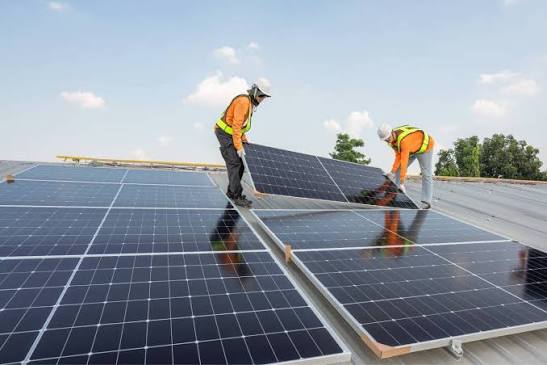
This is the one homeowners skip and regret. Rooftop solar panels are heavy, they’re exposed to wind and rain for 20+ years, and they need a structurally sound base. Before any solar panel installation begins, your roof needs to be checked for:
- Load-bearing capacity
- Age and material condition (metal roofing sheets, RCC, or asbestos all behave differently)
- Slope and orientation (south-facing roofs typically perform best in India)
- Shading from trees, water tanks, or neighbouring buildings
If your roof is old, corroded, or poorly ventilated, fixing that first isn’t optional — it’s the foundation your entire home solar system will sit on for the next two decades.
2. What Size Home Solar System Do I Need?
This is where most people either overspend or underdeliver. System size is calculated from:
- Your average monthly electricity consumption (check your last 6-12 months of bills)
- Available shadow-free rooftop area
- Your future usage plans — are you adding an AC, EV charger, or expanding the house?
A 3kW home solar system suits a small household with modest usage, while larger homes with higher consumption may need 5kW, 7kW, or more. Getting this number wrong means either an underpowered system that still leaves you dependent on the grid, or an oversized one that inflates your solar panel cost unnecessarily.
3. What Should I Know Before Solar Installation Begins?
Before the actual solar panel installation date, make sure the following are sorted:
- Permits and net metering approval from your local electricity board — this can take a few weeks, so start early
- A clear installation timeline from your vendor, including roof preparation, mounting, wiring, and inspection
- Warranty terms — separately for panels, inverters, and installation workmanship
- After-sales service availability — solar installation is a 20-25 year relationship, not a one-time transaction
Homeowners who ask these questions upfront avoid the most common post-installation frustrations: delayed activation, unclear warranty coverage, and poor-quality mounting.
4. What Factors Affect Solar Panel Cost?
Solar panel cost isn’t just about the panels themselves. It’s a combination of:
- Panel type and wattage
- Inverter quality (on-grid, off-grid, or hybrid)
- Mounting structure and roof preparation work
- Labour and installation complexity
- Government subsidies under schemes like PM Surya Ghar
Cheaper isn’t always better here. A low upfront solar panel cost with poor mounting or a weak inverter often means higher maintenance costs and lower output over time. Always ask for a cost breakdown, not just a final number.
5. Rooftop Solar Performance Depends on Roof Quality, Not Just Panels
Here’s something most solar vendors won’t tell you: your home solar system is only as good as the roof beneath it. Rooftop solar panels mounted on a weak, rusting, or leak-prone roof will underperform and cause maintenance headaches within a few years.
This is exactly why pairing solar installation with quality roofing matters. A roof built to handle heat, monsoon rainfall, and structural load gives your solar investment a stable, long-lasting base — instead of forcing you into re-roofing work with panels already installed on top (a far more expensive fix).
6. Solar Panel Installation Is a Process, Not a Purchase
The final thing to know: solar panel installation isn’t a single transaction, it’s a multi-step process — site survey, system design, permits, mounting, wiring, inspection, and grid connection. Rushing any step, or choosing a vendor who skips the site assessment, is where most solar disappointments begin.
A trustworthy installer will walk you through each stage, explain delays honestly, and stand behind their workmanship long after the panels are up.
FAQs on Solar Panel Installation
Is solar panel installation suitable for every home? Not every home qualifies without changes, but most can be made solar-ready. It depends on roof strength, sunlight exposure, and shading. A professional site survey before solar panel installation confirms whether your home is a good fit or needs modifications first.
What size home solar system do I need? Check your average monthly electricity units, measure your usable rooftop area, and factor in future consumption. Most homes need anywhere between 3kW and 7kW, though this varies based on household size and appliance load.
What factors affect solar panel cost? Panel type, inverter quality, mounting structure, installation complexity, and available subsidies all affect solar panel cost. Always request an itemised quote rather than comparing vendors on a single lump-sum price.
Ready to Go Solar the Right Way?
Solar panel installation works best when it starts with a roof that’s built to support it. If you’re planning a home solar system, get your rooftop assessed first — a sound structure today saves you from expensive rework tomorrow.
Talk to Taj Solar for a proper site evaluation and a solar panel installation plan built around your roof, your usage, and your budget.